 luna@lunaele.com
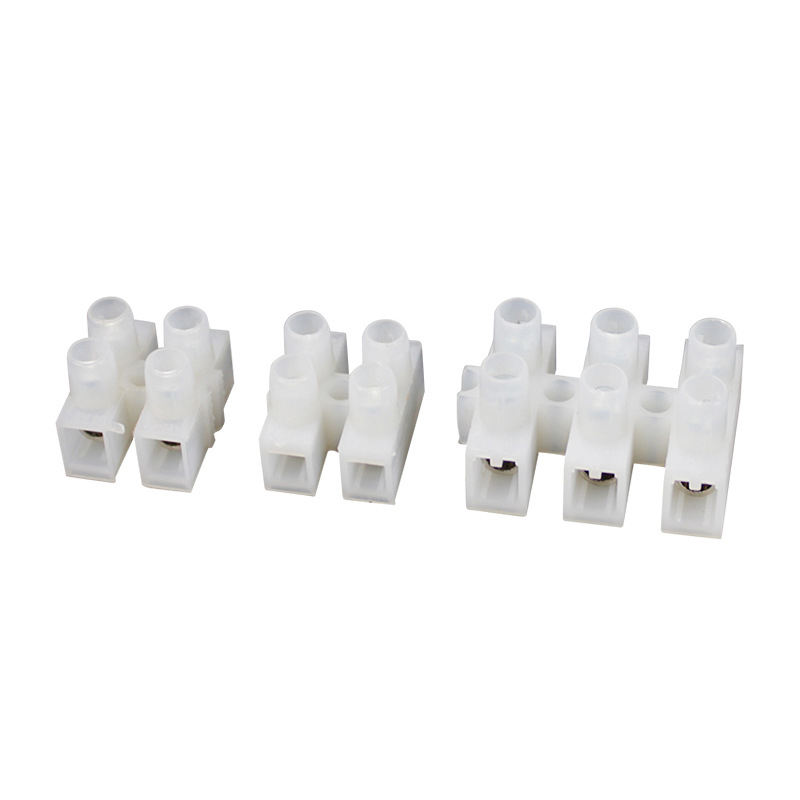
Plastic terminals are essential components in electrical connections, providing reliability and ease of use across various applications. Commonly used in automotive, industrial, and household wiring, these connectors offer the flexibility to accommodate different wire gauges and configurations. Their lightweight nature and resistance to moisture make them ideal for use in challenging environments.
One of the key benefits of plastic terminals is their insulation, which protects against electrical shorts and enhances safety. They are also cost-effective, providing a durable solution without breaking the bank.
Installation of plastic terminals is straightforward, requiring basic tools. Proper techniques involve stripping the wire, inserting it into the terminal, and ensuring a tight connection to prevent any potential issues. Following manufacturer guidelines can further optimize performance, ensuring a secure and efficient electrical pathway.
By understanding the applications and advantages of plastic terminals, users can make informed choices that lead to improved electrical performance and safety in any project. Whether for DIY enthusiasts or professional electricians, these versatile connectors are vital in maintaining the integrity of electrical systems.