 luna@lunaele.com
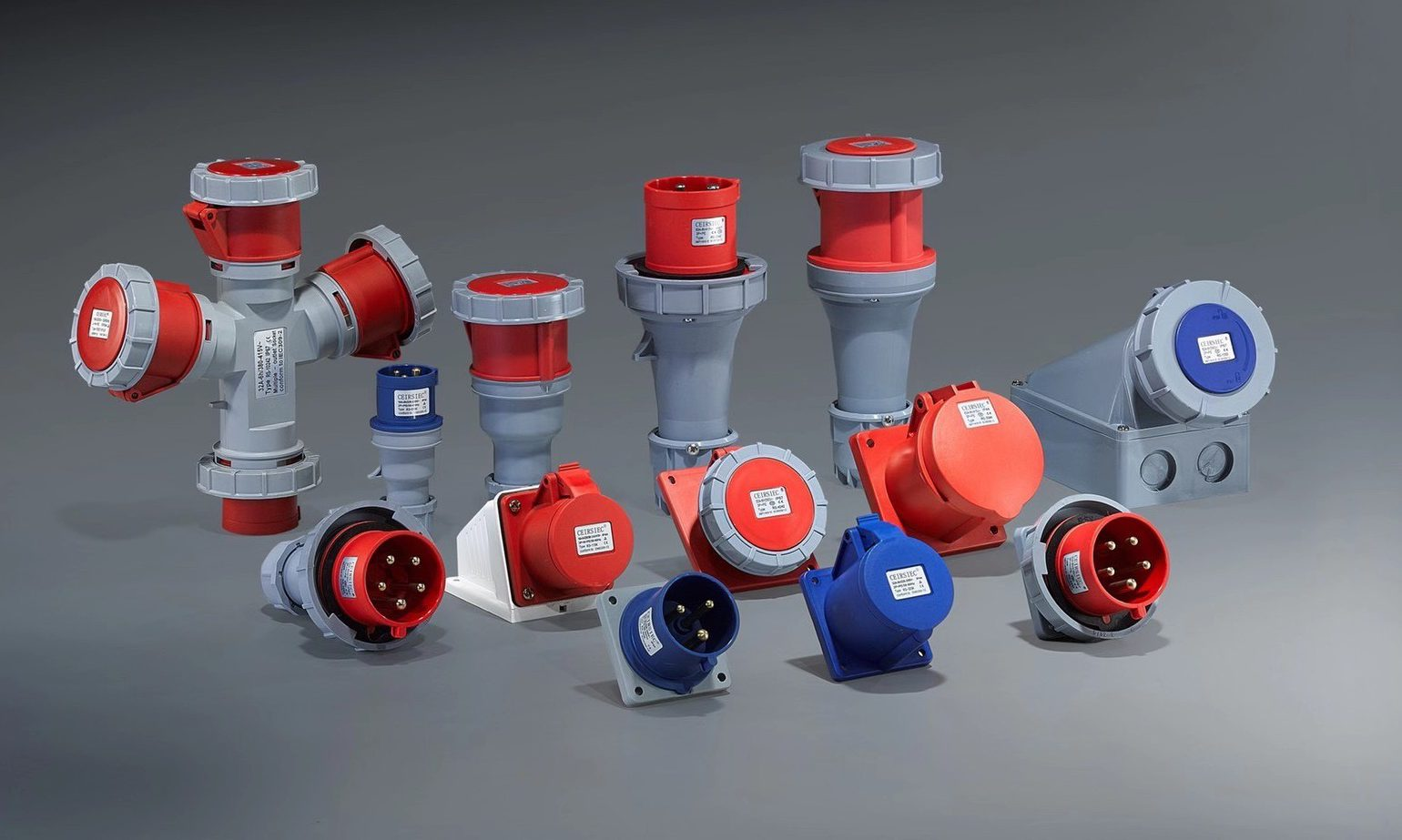
Features
Durability
Designed to withstand harsh industrial environments, these devices are made from high-quality materials that are wear-resistant, corrosion-resistant, and mechanically robust.
Variety
Available in multiple configurations and ratings to meet various voltage and current requirements. Options for single-phase and three-phase connections are available.
Weather Resistance
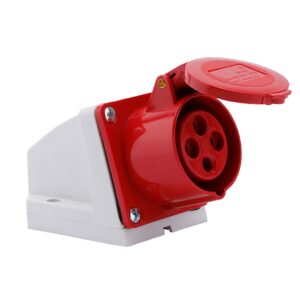
Many industrial plugs and sockets are suitable for outdoor use, featuring IP (Ingress Protection) ratings that prevent dust and water ingress.
Ease of Use
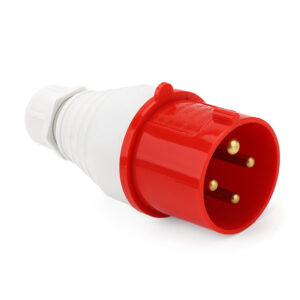
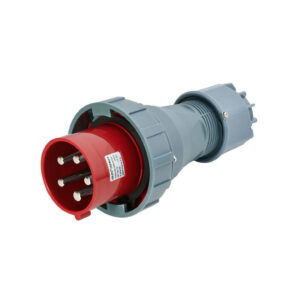
Ergonomically designed with handles for easy operation and connection. Color-coded pins and housings help ensure correct connections.
Specifications
- Voltage Ratings: Commonly available in 250V, 400V, and 500V.
- Current Ratings: Typical ratings include 16A, 32A, 63A, and 125A.
Types:
- Locking Plugs/Sockets: Prevent accidental disconnections during use.
- Non-Locking Plugs/Sockets: Enable faster connections and disconnections, suitable for less critical applications.
Installation Guidelines
Location
Ensure the installation area is dry and protected from extreme weather. Install sockets at heights that prevent water accumulation.
Wiring
Follow local electrical codes and standards during installation. Select the appropriate cable size based on the rated current.
Testing
Conduct a visual inspection before powering on. Use appropriate testing equipment to verify connection integrity.
Safety Information
Always disconnect the circuit power before making or breaking connections. Use personal protective equipment (PPE) as necessary. Regularly check plugs and sockets for wear, damage, or debris.
Maintenance
Regularly clean contacts to prevent corrosion and ensure good electrical connectivity. Replace damaged plugs and sockets immediately to avoid safety hazards.
Conclusion
Industrial plugs and sockets are crucial for ensuring safe and efficient electrical connections in industrial environments. Proper selection, installation, and maintenance are key to achieving optimal performance and safety. Always refer to the manufacturer’s specifications and local regulations when using these devices.
For more information, consult the manufacturer’s technical data sheets or contact a qualified electrician.